
Landlord Refurbishment, Delivered to a Fixed Price and a Fixed Deadline
A2 Commercial Fit Out delivers landlord refurbishment across London, Kent and Essex: repositioning vacant or ageing commercial space so it's ready to let, at a fixed price agreed up front. Every void period costs a landlord money, and every refurbishment that overruns costs more. Our fixed-price model and in-house trades exist to remove both risks.
We work on behalf of landlords, asset managers, managing agents and property investors, refurbishing common parts, reception areas, Cat A and Cat B space, and full buildings ahead of re-letting.
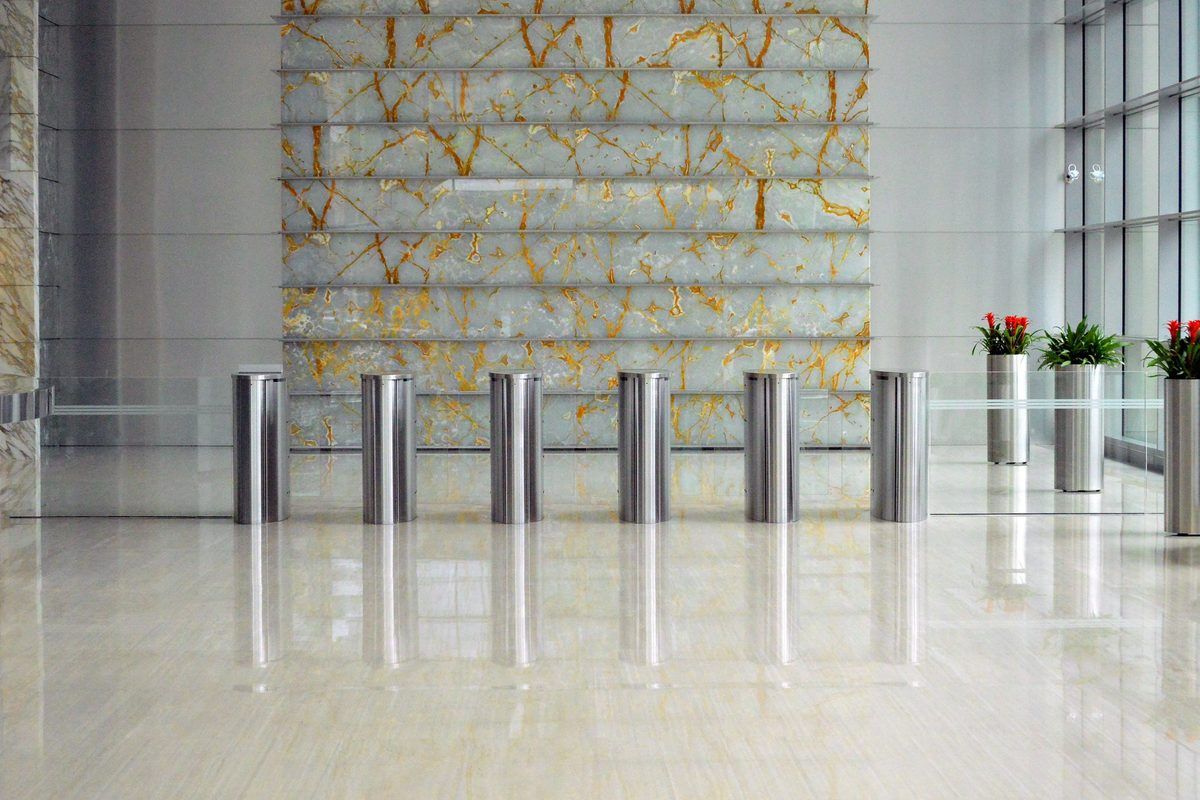
What's included in landlord refurbishment
- Cat A refurbishment — bringing space back to a clean, lettable shell standard for incoming tenants.
- Cat B fit out coordination — supporting tenant fit out work where required as part of a lease agreement.
- Common parts and reception refurbishment — entrance areas, lifts, corridors and WCs.
- End-of-trip and amenity space — cycle storage, showers and changing facilities to meet modern tenant expectations.
- Dilapidations works — restoring space to the condition required at lease end.
- EPC and compliance improvements — upgrading lighting, controls and building fabric to meet current energy efficiency requirements.
Our landlord refurbishment process
- Asset review. We assess the space, the lease position, and the target standard for re-letting.
- Fixed-price quote. A single agreed price for the refurbishment scope, so it can be planned into your investment case with certainty.
- Phased or out-of-hours delivery. Where parts of the building remain occupied by other tenants, work is scheduled to avoid disruption.
- In-house trades. Our own dry lining, ceilings, tiling and finishing teams deliver the work directly, keeping quality and programme under our control.
- Compliance and handover. Works are completed to Building Regulations, fire safety and CDM 2015 requirements, with the space ready for marketing or occupation on the agreed date.
Why landlords choose A2 for refurbishment
- Fixed-price quotes protect the return on a refurbishment before it starts, with no cost creep to erode the numbers.
- In-house trades mean one accountable team delivering the work, not a subcontractor chain that's hard to manage remotely.
- Out-of-hours working keeps refurbishment moving around occupied tenants in multi-let buildings.
- Speed of delivery shortens void periods and gets space back on the market faster.
Frequently asked questions
What's the difference between Cat A and Cat B refurbishment?
Cat A refurbishment brings a space to a clean, functional shell standard, ready for a tenant to fit out. Cat B refers to the tenant's own fit out on top of that shell. A2 delivers Cat A refurbishment directly and can coordinate Cat B works where a landlord is supporting a tenant's fit out costs.
Can refurbishment work take place while other parts of the building are occupied?
Yes. Out-of-hours and phased working are standard on multi-let refurbishment projects, so other tenants aren't disrupted while work takes place. We coordinate access, noise and timing carefully with building management, so the rest of the property continues operating normally throughout the entire refurbishment programme, from initial scoping through to final handover and sign-off.
How much does a landlord refurbishment cost?
Cost depends on the scope, the building's condition, and whether works cover common parts, Cat A space, or a full building. We provide a fixed-price quote once we understand the target standard and timeline, so the refurbishment budget can be built into your investment case with confidence from day one.
How long does landlord refurbishment typically take?
Timescales depend on scope and building size, but minimising void periods is central to how we plan every landlord project. We agree a fixed programme upfront and use phased or out-of-hours working wherever needed to get your space back on the market and earning rent as quickly as possible.
Can refurbishment improve a building's EPC rating?
Yes, refurbishment is often the most practical point to upgrade lighting, controls and building fabric to meet current and upcoming EPC requirements. Improving a building's rating during refurbishment avoids a separate, disruptive project later and can materially strengthen its position with prospective tenants and investors.